- 1. Research and Choose a Dog-Friendly Campsite
- 2. Essential Gear Checklist for Camping With Dogs
- Food and Water
- Sleeping and Comfort
- Leash, Harness, and Identification
- Waste Disposal
- 3. Outdoor Safety and Canine First Aid
- What to Include in a Dog First-Aid Kit
- Watch for Heat and Dehydration
- Check Paws, Ears, and Coat After Hikes
- Protect Your Dog From Wildlife
- Prevent Your Dog From Getting Lost
- 4. Can Dogs Sleep in Tents? Tent-Training Tips
- How to Help Your Dog Adjust to a Tent
- 5. Practice Good Trail and Campground Etiquette
- Keep Your Dog Leashed and Supervised
- Practice Basic Cues
- Respect Other Campers
- 6. Hiking and Outdoor Activities With Your Dog
- 7. What to Do if Your Dog Gets Sick or Injured
- Final Camping Checklist
Last updated on October 21st, 2026 at 07:30 pm
The Ultimate Guide to Camping With Dogs: Tips, Gear, and Safety

Imagine waking up to crisp mountain air, the rustle of pine trees, and your favorite four-legged companion resting nearby. Camping with dogs is a rewarding way to enjoy the outdoors while building a stronger bond with your pet. Whether you're planning a weekend in the Sierra National Forest or trying your first campground trip, preparation helps make the experience safer and more enjoyable for everyone.
Labrador Retrievers often love outdoor adventures, but even energetic dogs need protection from heat, wildlife, unfamiliar terrain, and other camping hazards. This guide from Sierra Valley Labs covers choosing a dog-friendly campsite, packing essential gear, keeping your dog safe, and helping your dog adjust to sleeping in a tent.
1. Research and Choose a Dog-Friendly Campsite
Before packing, confirm that your destination allows dogs. Campgrounds, national parks, and recreation areas can have different rules for pets, including restrictions on trails, swimming areas, and designated camping zones.
Check the following before you leave:
- Local regulations: Confirm whether dogs are allowed at your campsite and on nearby trails. Check leash requirements and any seasonal restrictions.
- Vaccinations and health: Make sure your dog's vaccinations and parasite prevention are appropriate for the destination. Ask your veterinarian about any specific risks.
- Campground etiquette: Review quiet hours, waste-disposal requirements, and rules about leaving dogs unattended.
- Shade and water: Consider whether the campsite offers shade and safe places to rest, especially during warm weather.
- Nearby veterinary care: Identify the nearest veterinary clinic or emergency animal hospital before entering an area with limited cell service.
Choose a campsite that matches your dog's experience and fitness. A quiet, established campground may be a better first trip than a remote location with challenging trails and limited access to help.
2. Essential Gear Checklist for Camping With Dogs
Packing for your dog requires as much thought as packing for yourself. Food, water, shelter, identification, and safety supplies help your dog stay comfortable throughout the trip.
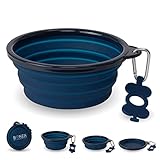
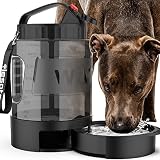
Food and Water
Bring enough of your dog's regular food for the entire trip, plus extra in case of delays. Pack clean drinking water and portable bowls, and keep food stored securely according to campground rules to avoid attracting wildlife.
Do not assume that streams, lakes, or campground water sources are safe for your dog to drink from. Bring reliable drinking water and follow local water-safety guidance.
Sleeping and Comfort
Pack your dog's familiar bed or sleeping mat, a blanket for cool nights, and towels for wet or muddy paws. A familiar blanket can help your dog settle in an unfamiliar tent.
Make sure your dog has enough room to lie down comfortably. Never leave a dog inside a tent or vehicle where temperatures could become unsafe.
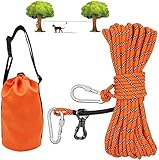
Leash, Harness, and Identification
Bring a sturdy leash, a properly fitted collar or harness, and current identification tags. Check that your contact information is up to date and that your dog's microchip registration is current.
A spare leash and reflective gear can also be useful. Even a dog with excellent recall should remain leashed wherever required and whenever wildlife, roads, or unfamiliar surroundings make off-leash activity unsafe.
Waste Disposal
Pack enough waste bags for the entire trip. Follow campground rules and Leave No Trace principles by disposing of dog waste properly. Do not leave waste beside trails or bury it near campsites or water sources unless local guidance specifically directs otherwise.
3. Outdoor Safety and Canine First Aid
In remote areas, veterinary care may be far away. Preparing for common problems can help you respond appropriately if your dog gets hurt.
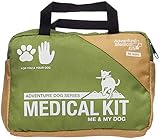
What to Include in a Dog First-Aid Kit
Consider packing:
- Gauze pads and bandaging supplies
- A pet-appropriate tick-removal tool or tweezers
- Saline eyewash for rinsing minor debris
- Clean towels
- Any prescribed medications your dog needs
- Your veterinarian's contact information and directions to nearby emergency care
Learn how to use your supplies before the trip. Do not give human medication or apply unfamiliar treatments unless a veterinarian has advised you to do so.
Watch for Heat and Dehydration
Dogs can overheat during vigorous play, hiking, or resting in direct sun. Plan strenuous activities for cooler parts of the day, offer frequent water breaks, and provide shade.
Heavy panting, excessive drooling, weakness, vomiting, confusion, or collapse may indicate heat-related illness. Stop activity and seek urgent veterinary advice if you suspect overheating. Begin cooling your dog with cool—not ice-cold—water while arranging care. Collapse or altered awareness is an emergency.
Check Paws, Ears, and Coat After Hikes
After walks, inspect your dog's paws, between the toes, ears, coat, and areas under the collar. Look for cuts, ticks, burrs, swelling, and other debris.
In California and other dry regions, foxtails are a particular concern. These grass seeds can lodge in a dog's ears, nose, eyes, paws, or skin and cause serious problems. Avoid dry grass with mature seed heads when possible.
Sudden sneezing, repeated head shaking, squinting, persistent paw licking, or swelling after being outdoors may indicate a problem that needs veterinary attention. Do not probe deeply into an ear, nose, or wound to remove a lodged seed.
Read our guide to dogs and foxtails to learn more about this hazard.
Protect Your Dog From Wildlife
Food smells can attract wildlife to campsites. Store dog food and treats according to campground rules, and never leave food or waste where animals can reach it.
Keep your dog close, especially around dawn and dusk or in areas where wildlife is active. Do not allow your dog to chase animals or investigate dens, burrows, or carcasses. Wildlife encounters can injure your dog and put wild animals at risk.
Prevent Your Dog From Getting Lost
Unfamiliar sights and scents can distract even a normally reliable dog. Keep your dog leashed where required and whenever conditions make off-leash activity unsafe. Check tent openings, gates, and vehicle doors before allowing your dog out.
A reflective or light-up collar can help you see your dog after dark. Make sure identification tags display a working phone number and that microchip details are current.
4. Can Dogs Sleep in Tents? Tent-Training Tips
Yes, many dogs can sleep comfortably in a tent when they have been introduced to it gradually and the conditions are safe. A tent can provide shelter, but it must have adequate ventilation and enough room for both you and your dog.
How to Help Your Dog Adjust to a Tent
- Set up the tent at home. Let your dog explore it at their own pace while it is pitched in a familiar environment.

A backyard camping test run to get my chocolate Lab, Lottie, acclimated to the tent before our upcoming trip to Yosemite. - Create a familiar sleeping area. Place your dog's bed or blanket inside so it smells like home.
- Practice short stays. Sit inside with your dog and reward calm behavior. Gradually increase the time spent in the tent.
- Check ventilation. Keep appropriate vents open and ensure the tent does not become too hot or poorly ventilated.
- Allow time to settle. Some dogs adjust quickly, while others need more practice before they can sleep comfortably in an enclosed space.

Never leave your dog inside a tent that may become dangerously hot, and do not force a distressed dog to remain in an unfamiliar sleeping arrangement.
5. Practice Good Trail and Campground Etiquette
Responsible dog owners help keep campgrounds welcoming to pets and other visitors.
Keep Your Dog Leashed and Supervised
Even well-trained dogs can become distracted by wildlife, other dogs, or unfamiliar scents. Follow leash rules and use a secure leash around campsites, parking areas, and other places where unexpected encounters can occur.
A reliable recall can be helpful if your dog slips away or becomes distracted, but it does not replace a leash where one is required. Before your trip, review our guide to teaching a Labrador Retriever to come when called.
Practice Basic Cues
Camping introduces dogs to unfamiliar people, dogs, sounds, and surroundings. Basic cues can help your dog settle while you prepare meals, organize equipment, or talk with neighboring campers.
For example, teaching your dog to sit can make everyday situations easier to manage. See our guide to teaching a Labrador puppy to sit.
Respect Other Campers
Keep your dog from entering neighboring campsites or approaching people without permission. Prevent excessive barking, clean up waste promptly, and never leave your dog tied up and unattended while you go exploring.
An unattended or tethered dog may become distressed, get tangled, or attract unwanted attention from other animals. Keep your dog supervised and follow the campground's rules.
6. Hiking and Outdoor Activities With Your Dog
Camping trips often include walking, hiking, swimming, or playing fetch. Choose activities based on your dog's age, fitness, health, and experience rather than enthusiasm alone.

Labradors can be eager to keep going even when they need a break. Watch for excessive panting, slowing down, limping, or reluctance to continue. Offer rest and water, and turn back if conditions become difficult.
Check trail rules before setting out. Some trails prohibit dogs, while others require leashes or have restrictions to protect wildlife and sensitive habitats.
For more ideas, see our guide to running with a Labrador Retriever. As with any outdoor activity, build up gradually and pay attention to your dog's condition.
7. What to Do if Your Dog Gets Sick or Injured
Before leaving, save the location and contact information for the nearest veterinary clinic or emergency animal hospital. Cell service may be unreliable in remote areas, so keep directions available offline.
For a minor scrape, keep your dog calm and prevent further contamination while you assess the injury. Seek prompt veterinary care for serious bleeding, breathing difficulty, collapse, suspected heatstroke, significant bites, or a possible foxtail lodged in the nose or ear.
Do not make your dog continue hiking if they are limping, unusually tired, or showing signs of illness. Getting an injured dog out of a remote area can be difficult, so prevention and realistic activity planning matter.
Final Camping Checklist
Before leaving home, make sure you have:
- A dog-friendly reservation and knowledge of the campground's rules
- Enough food, clean drinking water, bowls, and treats
- A sturdy leash, identification, and waste bags
- Bedding and a suitable sleeping arrangement
- A pet first-aid kit and necessary medications
- A plan for heat, wildlife, ticks, and foxtails
- Directions to the nearest veterinary clinic
- A realistic plan for walks, hikes, and rest breaks
Camping with your dog can create wonderful memories when you prepare carefully and respect your dog's needs. Start with an appropriate destination, keep your dog safe and supervised, and allow time to rest and adjust.
With thoughtful planning, your Labrador or other canine companion can enjoy the adventure without being pushed beyond their limits.
Have questions about caring for your dog? Contact Sierra Valley Labs or explore our Labrador Retriever and dog care guides for more helpful information.